Music does a lot of quiet work during a ceremony. It tells guests to settle in, signals when to stand, covers the walk down the aisle and sends everyone off to celebrate. Because the ceremony is short and timed to the second, it pays to plan the music as carefully as the reception playlist. Here is how to approach it.
The moments that need music
- Prelude: background music as guests arrive and find seats, usually the 20 to 30 minutes before the start time.
- Seating of family: an optional separate piece for grandparents and parents.
- Processional: the wedding party's walk, often one piece, with a change for the person entering last.
- Entrance: the song for the final walk down the aisle, the moment most couples care about most.
- During the ceremony: an optional piece for a unity ritual, a signing or a reading.
- Recessional: something upbeat as you walk back up the aisle together.
- Postlude: music that keeps playing while guests leave for cocktail hour.
Live musicians or recorded music
Both work beautifully; the choice comes down to atmosphere, budget and logistics.
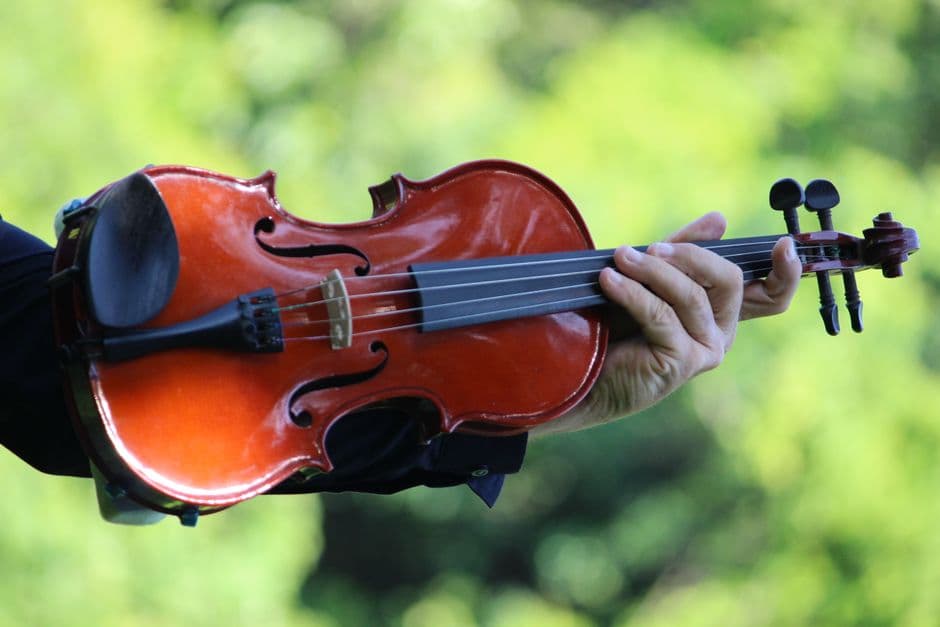
- Live musicians such as a soloist, a guitarist, a string duo, trio or quartet, a harpist or a pianist can stretch or shorten a piece on the fly to match the walk, which recorded music cannot do. Browse live musicians and bands to see who performs in your area.
- Recorded music played through a sound system gives you any song in its original version. Many DJs offer ceremony packages with a separate speaker and microphones for the officiant and readers.
- A mix is common: a soloist for the entrance and recorded music for the prelude and postlude.
If you are also deciding on the reception, our guide to choosing between a DJ and a live band covers the tradeoffs, and some vendors can handle both the ceremony and the party.
Choosing the songs
Start with the entrance and recessional, since those carry the most emotion, then fill in the rest. A few tips:
- Pick pieces you love rather than what you think a wedding should sound like. Many musicians can arrange popular songs for strings, piano or guitar.
- Time your walk. Practice it, note how long it takes, and make sure the piece is long enough, or ask your musicians how they will extend or fade it.
- For religious ceremonies, ask your officiant or place of worship whether there are guidelines for music.
- Request a song list from your musicians early. Arrangements for less common songs may need extra time or a fee.
Sound, power and weather for outdoor ceremonies
Outdoor ceremonies are lovely, but sound carries away in the open air and North Carolina weather changes quickly. Ask your musicians and DJ:
- Do you need power at the ceremony site, and how far is it from the nearest outlet? Will you bring battery-powered equipment?
- Will guests hear the vows? A small sound system with microphones for the officiant and couple makes a big difference with more than a few dozen guests.
- What do you need for heat, direct sun or rain? Many string players will not perform in direct sun or wet conditions because it can damage instruments, so plan shade and a covered backup.
Our guide to outdoor weddings in heat, humidity and storms covers backup plans in more detail.
Cues and the rehearsal
The most common ceremony music mistake is a missed cue. Avoid it by putting everything on paper:
- Write a running order with each song, who walks during it and the exact cue to start, and share it with your musicians, officiant, coordinator and photographer.
- Agree on who gives the signal to start the processional, usually a coordinator, and how the music will know when the last person has reached the front.
- Invite the musicians or DJ to the rehearsal if possible, or at least walk through the cues with them by phone.
- Ask your officiant to pause briefly before the recessional so the music can start on time.
Add the music cues to your wedding day timeline so everyone works from the same plan.
Booking ceremony musicians
Ceremony musicians often book a single event per day, so reach out several months ahead, especially for popular spring and fall weekends. When you interview them, ask to hear recordings of live performances, confirm how long they will play and whether cocktail hour can be added, and get the details in writing. Our list of questions for a first vendor call is a good starting point, and you can search the directory by city to find musicians and DJs near your venue.