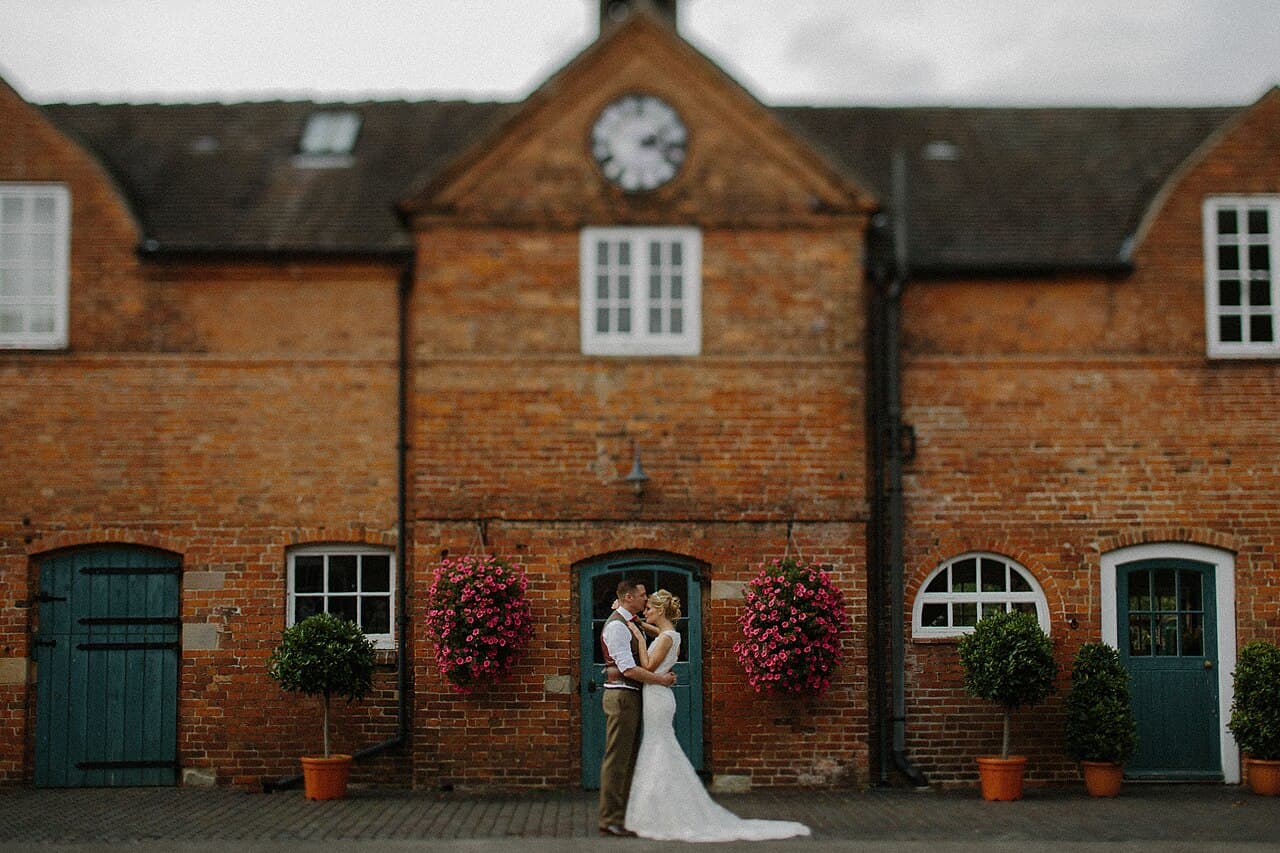
Few states offer as much range in wedding settings as North Carolina. You can be married with a ridge line behind you, oak trees over your head or the Atlantic at your back, all within a few hours of each other. The trick is knowing what each type of venue is like to work with. This guide covers six common types, with honest pros and cons for each, so you can narrow your search before you start touring.
Barn and farm venues
Barn venues are popular across the Piedmont and foothills, where farmland surrounds the growing metro areas. They usually pair a rustic-but-polished interior with open fields for photos and a relaxed atmosphere.
- Pros: Flexible layouts, generous space for larger guest counts, a casual character that suits many styles and often room for outdoor and indoor options on the same property.
- Cons: Some are seasonal, with limited heating or air conditioning, and rural locations can mean longer drives and fewer nearby hotels. Many are rental-heavy, meaning you may need to bring in tables, chairs and more.
- Good to ask: Is the space climate-controlled, and what is the rain plan if the ceremony is outside?
Estates and manor homes
Estate venues offer a grand, private feel, often with a main house, landscaped grounds and space for the whole weekend to unfold in one place. You will find them scattered across the state, including around the Triangle, the Triad and the Sandhills near Pinehurst.
- Pros: Elegant settings, multiple spaces for getting ready, ceremony and reception, and often on-site lodging or a sense of exclusivity that suits an intimate or formal wedding.
- Cons: Higher price tags are common, and some estates limit outside vendors or require you to use a preferred list. Older properties may have restrictions on decor, music or hours.
- Good to ask: What is included in the rental fee, and are there required vendors or minimum spends?
Garden and botanical settings
Gardens, arboretums and greenhouse-style spaces provide built-in decor, which can reduce the amount you spend on flowers and styling. They are found in cities and small towns alike, including in and around Durham, Raleigh and Greensboro.
- Pros: Natural beauty, lots of photo backdrops and a romantic atmosphere, especially in spring and fall.
- Cons: The scenery is at the mercy of the season and the weather, and public gardens may have visitor hours, noise limits or restrictions on what you can bring. Many close down earlier in the evening than other venues.
- Good to ask: Is the garden open to the public during my event, and what covered options exist if it rains?
Mountain venues
Around Asheville and throughout the Blue Ridge, mountain venues offer views, cooler summer temperatures and dramatic scenery. They range from lodges and resorts to open-air overlooks. For a deeper dive on planning here, see our guide to mountain weddings in North Carolina.
- Pros: Spectacular scenery that needs little decor, a destination feel that turns the wedding into a weekend and often comfortable summer temperatures compared with the rest of the state.
- Cons: Weather can change quickly, roads can be winding or slow, and remote sites can raise travel costs for vendors and guests. Some elevated venues are not easily accessible for guests with mobility needs.
- Good to ask: How do guests get to the site, and what is the backup plan for fog, wind or storms?
Beach and coastal venues
From the Outer Banks to the southern coast around Wilmington, coastal weddings deliver sand, sea and sunsets. Venues include beachfront houses, oceanfront resorts, waterfront estates and public beach sites that may require permits.
- Pros: A backdrop that is hard to beat, a vacation atmosphere and the chance to make the wedding a full getaway.
- Cons: Wind, heat and humidity can affect guests, hair and decor, and the coast has its own weather risks, including tropical storms. Public beaches can have rules about permits, tents and amplified sound.
- Good to ask: Do I need a permit for a public beach, and what is the plan for wind and rain? Read our guide to hurricane season and coastal weddings before you commit to a date.
Historic venues
North Carolina is rich in historic buildings, including restored mills, old estates, downtown theaters, churches and former plantations. Places like Winston-Salem and Chapel Hill have plenty of character-filled options. Some historic properties carry a complicated history, so take time to learn about a site and decide whether it is right for you.
- Pros: Architecture and atmosphere you cannot recreate, and a sense of place that gives photos depth.
- Cons: Older buildings may have limits on decor, open flames or load capacity, plus accessibility challenges and less flexible catering spaces.
- Good to ask: Are there restrictions on candles, nails or tape, and what is the accessibility situation for guests?
How to narrow your choice
Start with your guest count, budget and preferred season, then decide how much of the planning you want the venue to handle. All-inclusive spaces simplify things but limit choices, while blank-canvas venues offer flexibility but require more coordination. A wedding planner can be especially helpful with venues that require you to bring in everything yourself.
When you tour, check the practical details as closely as the views: rain plans, parking, restroom access, noise curfews, catering rules and whether a kitchen is available. Before you sign, review the fine print with our contract reading guide. When you are ready to start looking, browse wedding venues in the directory and compare options by region.