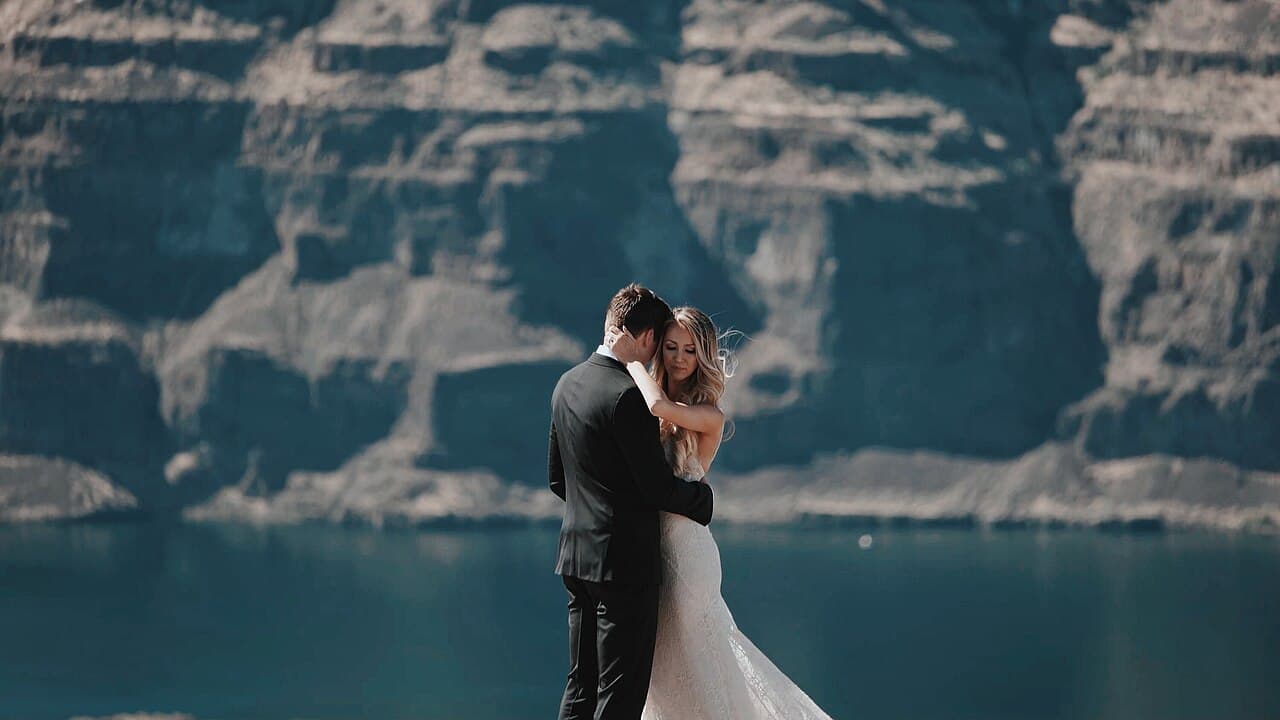
Layered ridgelines, big sky and cooler air are the reasons couples look west. Mountain weddings can feel intimate and cinematic at the same time, but they come with logistics that flat-land weddings do not: winding roads, changing weather, limited lodging and vendors who may have a long drive. Plan for those realities early and the setting will do the heavy lifting for you.
Pick the season with the scenery in mind
Fall is the headline season in the mountains because of foliage, and it is also the busiest, so venues and lodging in the Asheville area book well ahead. Leaf color does not arrive on one date. In general it starts at higher elevations first and moves down the slopes, and the timing shifts from year to year with rain and temperature, so treat any peak-color date as an estimate rather than a promise. If color matters a lot, choose a venue with a range of elevations nearby or a view that looks good even before the leaves fully turn.
Spring brings wildflowers and blooming trees, along with rain. Summer is warm in the valleys and comfortable higher up, which makes it appealing for guests escaping Piedmont and coastal humidity. Winter can be dramatic and quiet, though snow and ice can affect travel, so decide early whether a cold-weather date is worth the risk. If you want the contrast, our guide to outdoor weddings in North Carolina covers how heat and humidity shape lower-elevation days.
Expect quick weather changes
Mountain weather can shift within hours: a clear morning may become a foggy, chilly evening. Ask any venue for a documented rain and cold plan and see the backup space in person. A ceremony that starts in sun can end in a shower, and a golden-hour photo spot can be windy. Bring layers for the wedding party and consider offering shawls, blankets or wraps to guests, especially for evening receptions. Heaters and fire features add warmth and atmosphere, but your venue and rental company will need to confirm what is allowed and safe on the site.
Also remember that severe weather can reach the mountains. Hurricane Helene caused major damage in western North Carolina in 2024, and some businesses and roads were affected for a long period afterward. When you research venues, ask about their current operating status, access routes and any recent changes, and read our guide on hurricane season and weddings for contract protections that apply anywhere in the state.
Choose a venue for access as well as the view
Beautiful sites can be hard to reach. Before you commit, drive the route yourself, ideally at the time of day your guests will. Ask about road conditions, grades, gravel or narrow lanes, parking capacity and whether large vehicles can get to the site. Find out whether guests with mobility needs can reach the ceremony and restrooms, and whether shuttle service is available. Cell service can be weak in valleys, which affects vendor communication and guest navigation, so print directions and share them ahead of time.
Browse wedding venues and the Asheville vendor page to compare styles, and read wedding venue types to decide between a lodge, barn, garden, estate or overlook. If you plan to marry on public land, such as along the Blue Ridge Parkway, in a national forest or in a state park, check with the managing agency about permits, group-size limits, fees and rules, since many public areas require advance authorization for weddings.
Plan for vendor travel and availability
Vendors based in a city may travel to the mountains, and you should expect travel or lodging fees for some of them. Costs depend on distance, the day of the week and the season, so ask for a clear, itemized quote rather than assuming. Local vendors know the sites and roads and can save time, which is a good reason to browse categories in your area, but many couples also bring in favorite teams from elsewhere. Ask everyone how much setup time they need, since load-in over long driveways or steep paths may take longer than usual.
- Photographers and videographers should scout the light and the drive between locations, and plan for weather and sunset timing.
- Florists can suggest sturdy, seasonal blooms and greenery that look natural against a mountain backdrop.
- Caterers and bartenders need to know about kitchen access, water, power and temperature control.
- Live musicians and DJs need reliable power, weather cover and clear sound rules, since some sites have noise limits.
- A planner or coordinator can manage the timeline, shuttles and backup plan on the day.
Help your guests get there and stay there
Many guests will fly into Asheville or drive from Charlotte, Greensboro or Winston-Salem. Give them clear travel details early, including which airport is closest, how long the drive takes and where to stay. Mountain lodging can be limited and fills quickly in fall, so consider reserving room blocks or sharing a short list of options at your save-the-date. Since winding roads are tiring after a party, hiring transportation for the ceremony and the return trip is a practical way to keep everyone safe and on time.
Finally, a mountain setting can be a great match for a smaller day. If a larger guest list would complicate access, see our guide to micro weddings and elopements. And when you are ready to compare teams, use search to narrow by city and category.